

What is glycerol monostearate?
Glyceryl monostearate (GMS) is a multifunctional and cross-disciplinary "industrial all-in-one". With its emulsifying, stabilizing, and lubricating properties, it is widely used in food, cosmetics, medicine, and industrial manufacturing. Its characteristics of high safety and controllable cost make it an indispensable additive in modern formula design. When making a selection, it is necessary to strictly match the purity and certification requirements according to the application (such as food grade, or pharmaceutical grade) to ensure the best compliance and performance.
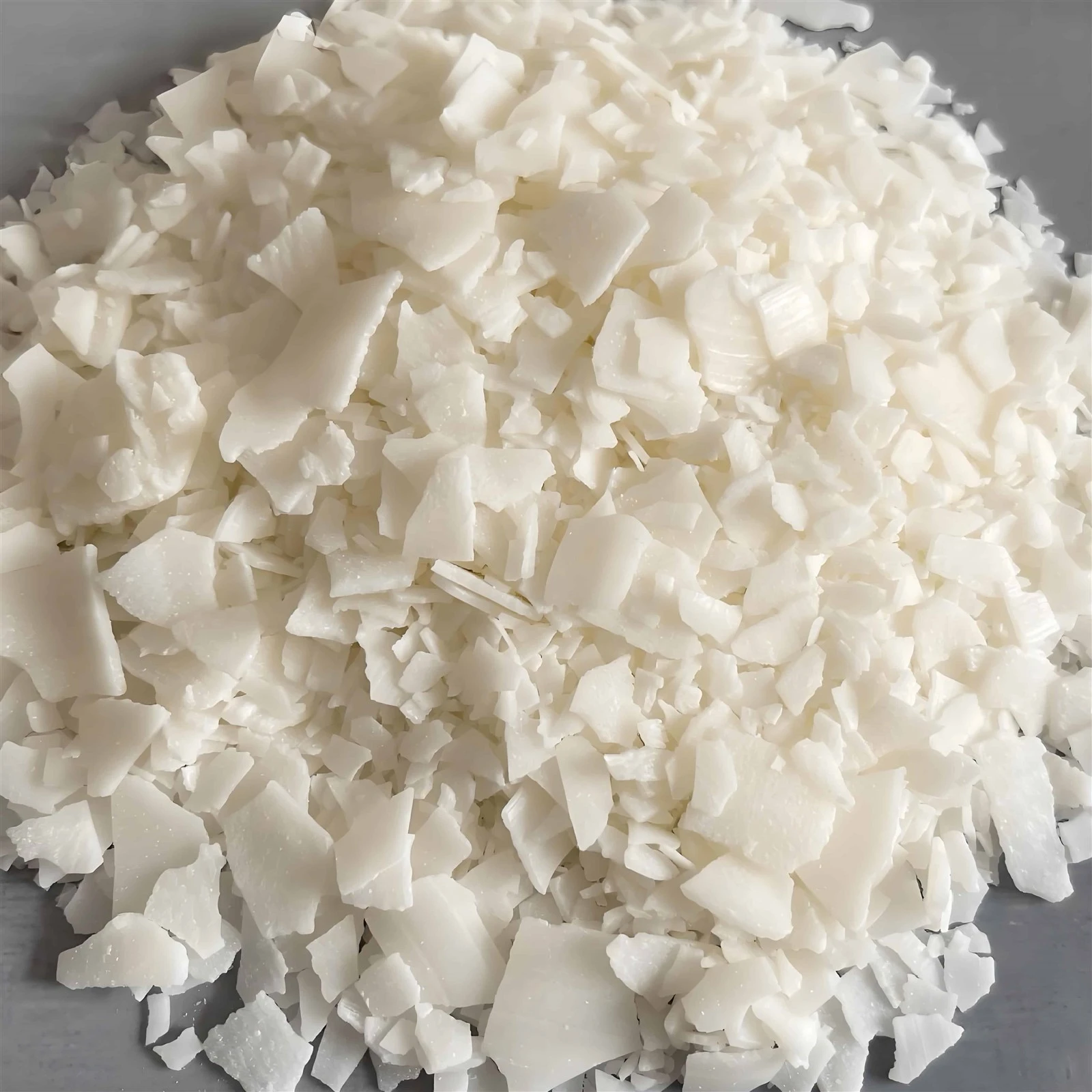
What are the standards for glycerol monostearate (GMS)?
Glycerol monostearate (GMS) has different standards that can be applied in various industries. For instance, there are approximately three purity levels of GMS: industrial grade 40% to 60%, food grade ≥90%, and pharmaceutical grade ≥95%. The industrial grade is mostly used in low-cost application scenarios such as plastic lubrication and textile auxiliaries, and there are many impurities. There may be residues of heavy metals. Food-grade ones that meet food safety standards can be used in products such as ice cream and baked goods. In addition, strict control over heavy metals and microbial standards is also required. Apart from these two levels, the highest one is the pharmaceutical grade, which requires high purity, low pyrogenicity, and compliance with the sterility requirements of the pharmacopeia. The higher the purity, the more backward compatible it is. The lower the purity, the fewer industries you can choose from. Of course, this is also directly related to the product value and amount. Choosing the level that best suits your product can maximize your benefits. If you don't know which level your desired product is most suitable for, you can consult us and we will give you the best advice.
GMS Purity Grades and Industry Applications
| Purity Grade | Monoester Content | Key Attributes | Applicable Industries | Typical Applications | Certifications/Standards |
|---|---|---|---|---|---|
| Industrial Grade | 40%-60% | - Low purity, contains diesters, triesters, and free glycerol - Cost-effective, tolerant to impurities - Lower melting point (45–55°C) |
Industrial manufacturing, basic personal care | - PVC lubricant - Textile softener - Low-end coating dispersant - Metal cutting fluid additive |
No food safety certifications |
| Food Grade | ≥90% | - High purity, strict impurity limits - Strong emulsification (HLB 3.8–4.0) - Melting point 54–64°C |
Food processing | - Ice cream/cream emulsifier - Bread anti-staling agent - Dairy stabilizer - Powdered food anti-caking agent |
FDA GRAS, EU E471, GB 1886.65 (China) |
| Cosmetic Grade | ≥90% | - Low irritancy, passes skin safety tests - High dispersibility, smooth texture - May contain antioxidants |
Cosmetics & personal care | - Cream/lotion emulsifier - Shampoo pearlizing agent - Hair conditioner softener - Lip balm base |
ISO 22716, EC 1223/2009 (EU Cosmetics Regulation) |
| Pharmaceutical Grade | ≥95% | - Ultra-high purity, sterile control - Pyrogen-free, no solvent residues - Meets pharmacopeia standards |
Pharmaceuticals & medical devices | - Tablet lubricant - Sustained-release drug carrier - Ointment base - Medical coating lubricant |
USP-NF (U.S. Pharmacopeia), EP (European Pharmacopeia) |
| Specialty Grade | Custom (e.g., 60%–80%) | - Adjustable monoester ratio - May be blended with other emulsifiers (e.g., Tween) |
Niche industrial or emerging fields | - Biodegradable plastic modifier - 3D printing material additive - Pesticide slow-release carrier |
Custom compliance reports (e.g., RoHS, REACH) |
Key Attribute Comparisons
| Performance Metric | Low Purity (40%) | High Purity (90%) |
|---|---|---|
| Emulsification Efficiency | Weak (requires higher dosage) | Strong (low dosage achieves stability) |
| Thermal Stability | Prone to decomposition at high temps | Heat-resistant (suitable for baking/sterilization) |
| Dispersion Uniformity | Poor dispersion, clumping risks | Rapid dispersion, forms homogeneous emulsions |
| Safety Risks | Potential heavy metal/impurity residues | Complies with food/pharma safety standards |
| Cost Efficiency | Lower unit cost but higher dosage | Higher unit cost but lower usage and stable performance |


