

Product Introduction
CSL and SSL are very similar in function, with the key difference being that one contains "calcium" and the other contains "sodium". This leads to subtle differences in their pH values, effects on yeast, and application focuses.
Next, I will analyze the differences and advantages of these two products in detail.
Sodium Stearoyl Lactylate (SSl E481)
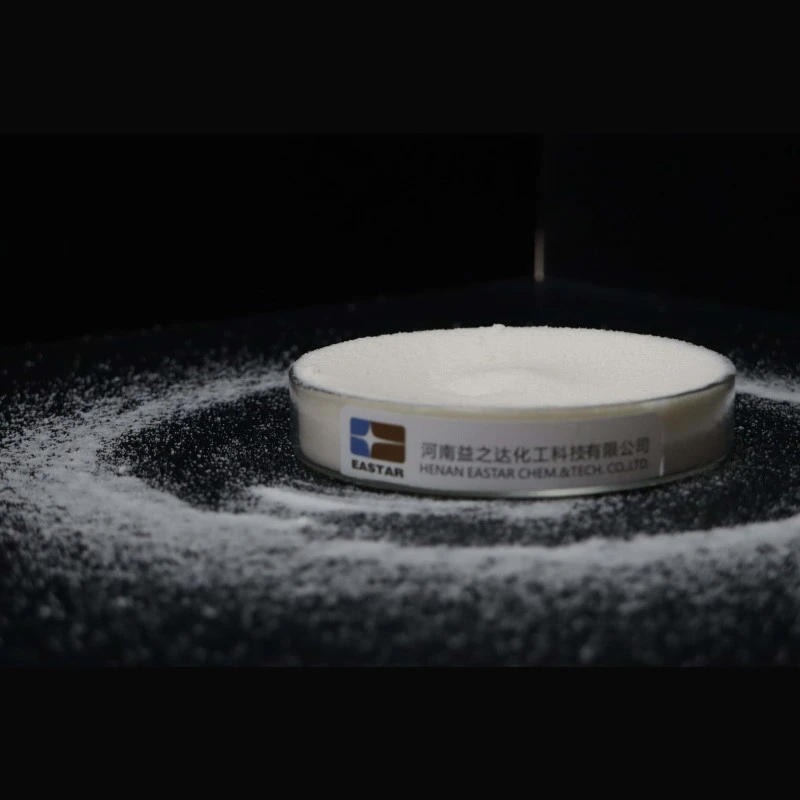
SSL (Sodium Stearoyl Lactate) E481 - "The All-Rounder Dough Master and Protein Coordinator"
Core mechanism of action
The SSL molecule has a long, lipophilic stearic acid chain and a hydrophilic lactic acid group (which balances the charge via sodium ions). This structure allows it to:
bind to gluten proteins: Its hydrophilic portion binds to gluten proteins (glutenin and prolamins), while its hydrophobic portion extends outwards. This acts like a "bridge" between gluten proteins, greatly strengthening and stabilizing the gluten network.
bind to starch: Similarly, it can bind to starch molecules (especially amylose), interfering with the rearrangement and crystallization of starch granules.
Main functions and performance
- Superior Dough Strengthening Effect
- Effects: Significantly improves dough elasticity, toughness, mixing resistance, and mechanical processing tolerance. The dough is less prone to collapsing, making it more suitable for industrial production.
-
Results: Bread produced results in significantly larger volume and a more uniform and finer internal structure (crust).
2. Highly efficient emulsifying and stabilizing effects
- Effects: As an anionic emulsifier, it effectively reduces the interfacial tension between oil and water, forming a stable oil-in-water emulsion.
- Performances: In systems containing milk or protein (such as cakes, ice cream, and coffee creamer), it prevents oil-water separation, improving texture and mouthfeel. In margarine, it prevents oil splattering during frying.
3. Significant Anti-Aging Effects
- Effect: Effectively prevents starch retrogradation by forming an insoluble complex with starch (especially amylose).
- Results: Baked goods such as bread and cakes retain their softness and moisture for longer, extending their shelf life.
4. Improved fat distribution
- Effect: Makes fat distribution in dough more even, thereby further optimizing gluten structure.
Application Focus
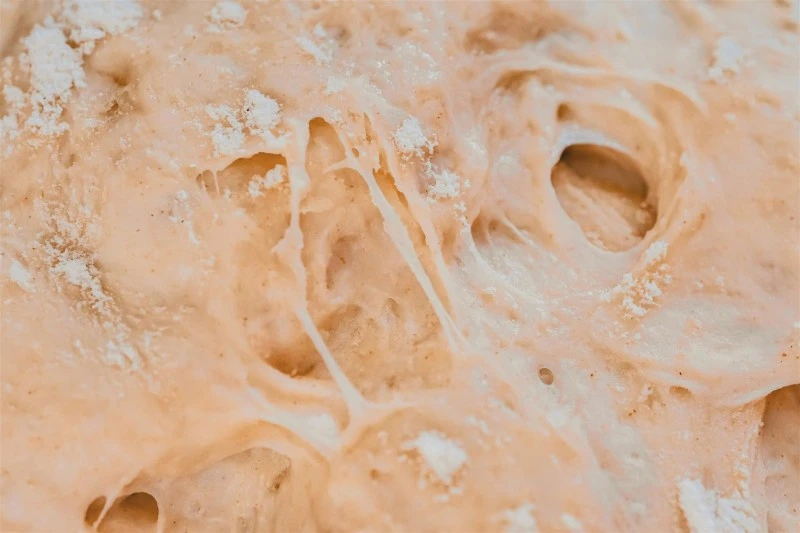
- Bread, Steamed Buns, Hamburger Buns: Core use, for maximizing volume and improving texture.
- Cakes, Muffins: As an emulsifier, improving batter stability and cake volume.
- Noodles, Pasta: Increases elasticity and reduces cooking loss.
- Ice Cream, Non-dairy Creamer, Coffee Creamer: As an emulsifier and stabilizer, preventing freezing and separation.
Calcium Stearoyl Lactylate (CSL E482)
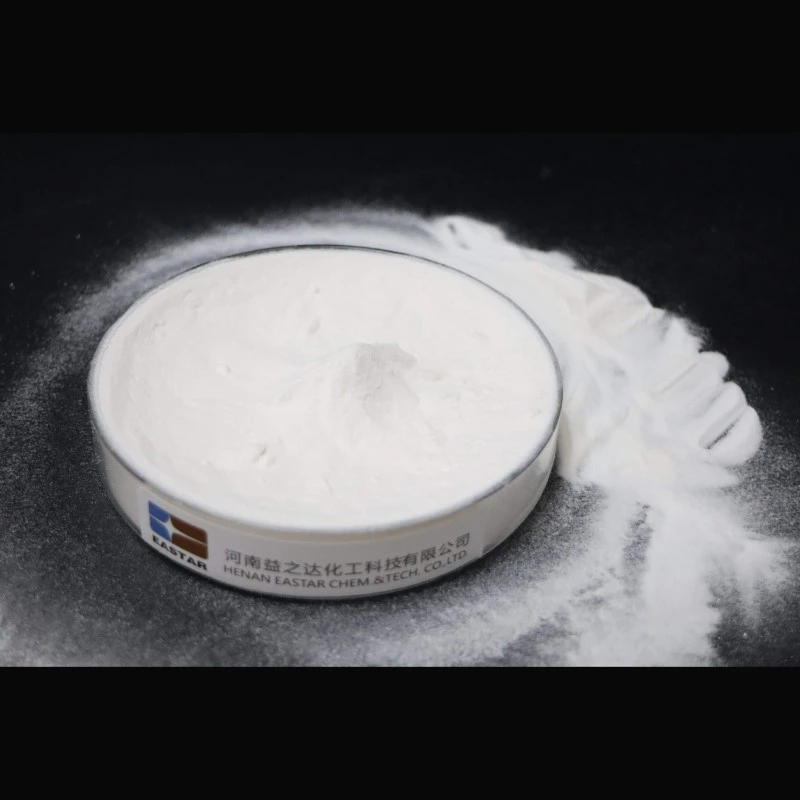
CSL (Calcium Stearoyl Lactate) E482 - "A Stable Calcium Fortification and Staple Food Expert"
Core Mechanism of Action
The mechanism of action of CSL is similar to that of SSL, also through interaction with gluten and starch. However, its calcium ions bring a key difference:
- More robust cross-linking: Calcium ions carry two positive charges, enabling them to form slightly different, potentially more compact, ionic cross-links with protein chains, resulting in a stronger but less ductile gluten network.
-
Neutral working environment: Its aqueous solution is nearly neutral, having minimal impact on the system's pH.
Main functions and performance
1.Powerful yet gentle dough strengthening effect
- Effect: Significantly strengthens the gluten network, but its key advantage is that it doesn't interfere with yeast fermentation.
-
Performance:
- Breads made with this product are larger in volume, but the internal structure may be slightly denser than SSL breads, resulting in a chewier texture.
- Especially suitable for processes requiring long fermentation times (such as baguettes, European breads, and overnight cold fermentation), with a stable and controllable fermentation process.
2.Provides calcium nutrition
- Effect: This is a unique function that SSL does not possess. CSL can serve as a supplementary source of dietary calcium.
- Performance: It can be used in the production of baked goods and pasta products with "high calcium" claims, enhancing product appeal.
3.Anti-aging and emulsifying effects
- Effects: As effective as SSL, it delays starch retrogradation and acts as an emulsifier.
- Performance: Significant anti-aging effects are observed in staple foods that require maintaining softness (such as steamed buns and white toast).
Application focus
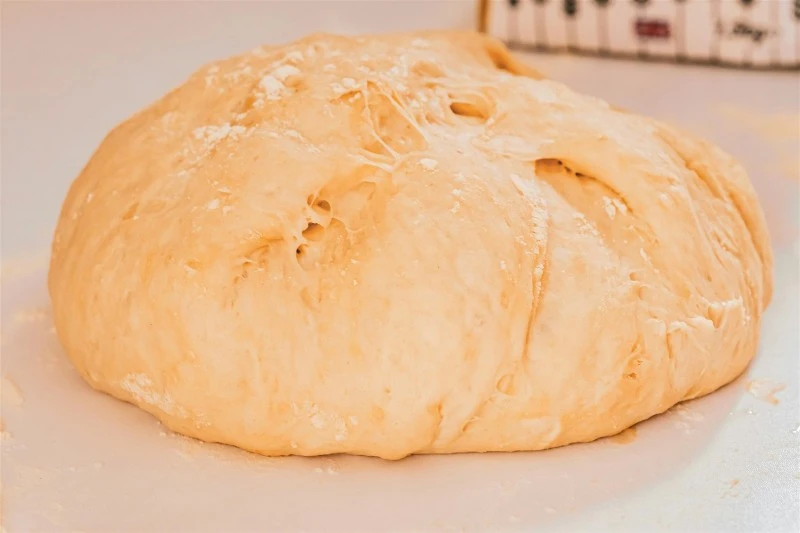
- Mainstream breads and pastries: Especially suitable for products requiring a firm texture and good chewiness.
- High-calcium nutritional breads and children's foods: As a functional ingredient, they achieve the dual purpose of improving texture and nutritional fortification.
- Steamed buns and dumplings: Widely used in traditional Chinese pasta dishes, they improve the whiteness of the crust and the internal structure.
- Long-fermented/refrigerated dough: The first choice in recipes requiring precise control of the fermentation process.
Comparative Summary & Selection Guide
| Aspect | SSL (Sodium Stearoyl Lactylate) | CSL (Calcium Stearoyl Lactylate) |
|---|---|---|
| Primary Role | Versatile Dough Strengthener & Protein Stabilizer | Dough Strengthener & Calcium Fortifier |
| Ionic Form | Sodium (Na⁺) | Calcium (Ca²⁺) |
| pH Influence | Slightly Acidic | Neutral to Slightly Alkaline |
| Effect on Yeast | Can have a slight inhibitory effect at high usage levels. | Minimal to no effect; superior for long fermentations. |
| Functional Strength | Creates a very strong, elastic, and extensible gluten network. | Creates a strong, but slightly tighter and more compact gluten network. |
| Unique Advantage | Superior emulsification in dairy and protein systems. | Source of dietary calcium; ideal for calcium-fortified products. |
| Typical Applications | Bread, Cakes, Dairy Analogues, Coffee Creamers | Bread, Calcium-Fortified Foods, Long-Fermentation Doughs |
Recommendations for Use:
- For maximum volume and softness in standard bread, or for use in cakes and dairy systems: Choose SSL.
- For calcium fortification, long-fermentation processes, or when a chewier crumb is desired: Choose CSL.
- For a balanced approach: Many manufacturers successfully blend SSL and CSL to leverage the benefits of both.


