

Products Description
Within the vast field of food additives, emulsifiers are diverse and serve distinct purposes. Among them, Diacetyl Tartaric Acid Esters of Mono- and Diglycerides, known as DATEM, holds a uniquely critical position. It is far more than a common emulsifier; it is an indispensable dough strengthener and texture architect in modern industrial baking, particularly for high-quality bread production. This article analyzes DATEM from an emulsifier perspective, delving into its unique mechanism and functions, comparing it with similar products, and clarifying its irreplaceable industry status.
The Unique Mechanism and Core Functions of DATEM
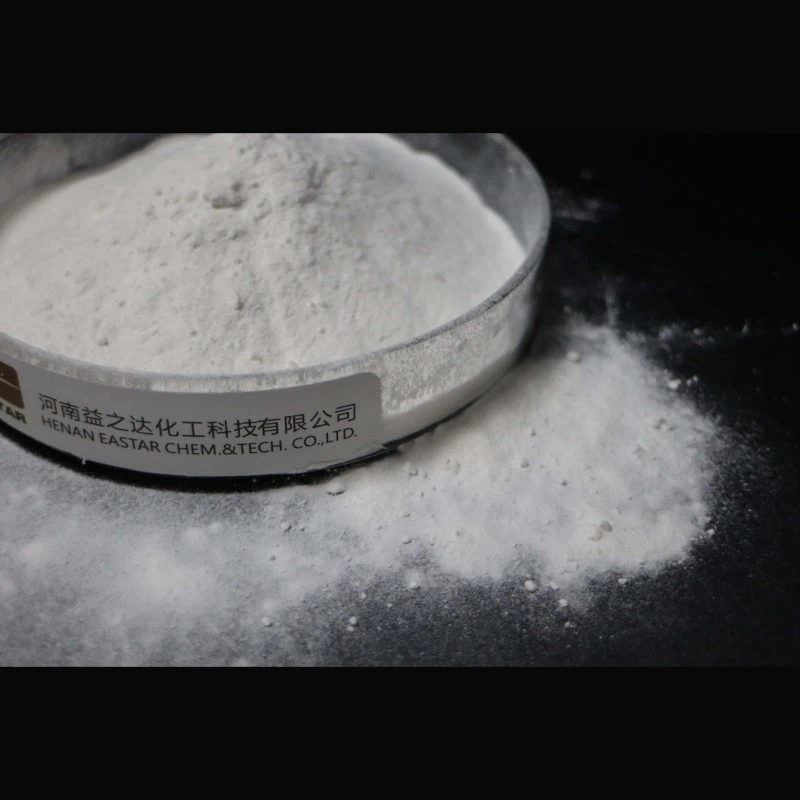
DATEM is synthesized by esterifying mono- and diglycerides with diacetyl tartaric acid anhydride. This special structure grants it the properties of an anionic surfactant, making its mechanism of action fundamentally different from most non-ionic emulsifiers (e.g., GMS, PGMS).
Its core function is not simple oil-in-water emulsification but acting as a "Strengthener and Organizer of the Gluten Network", specifically:
- Strengthens Gluten Network Strength and Elasticity: DATEM can interact specifically with gluten proteins in flour. Acting like a "bridge," it promotes the formation of a tighter, more elastic network between gluten molecules. This directly enhances dough strength, mixing tolerance, and fermentation stability, allowing the dough to better retain carbon dioxide gas produced by yeast.
- Improves Dough Processing Tolerance: In industrial production, dough must withstand prolonged mixing, mechanical handling, and transportation. DATEM significantly improves dough's mechanical tolerance, preventing the gluten network from breaking down due to over-mixing or handling (i.e., "over-mixing"), ensuring stable production processes.
- Increases Bread Volume and Optimizes Crumb Structure: This is the most visible and crucial effect of DATEM. By strengthening the gluten network, the dough's gas retention capacity is greatly enhanced, resulting in baked bread with significantly larger volume, uniform and fine crumb structure, and a soft, elastic texture.
- Synergistic Anti-Staling Effect: Although DATEM itself is not a potent anti-staling agent, it optimizes the interaction between starch and gluten, creating an excellent synergistic effect with anti-staling agents like GMS, collectively extending the soft shelf life of bread.
In-depth Comparison with Similar Dough Improvers/Emulsifiers
The value of DATEM becomes even more apparent when compared to similar products. The table below compares it with other commonly used bakery improvers:
| Aspect | DATEM | Mono-/Diglycerides | Sodium/Calcium Stearoyl Lactylate | Vitamin C / Enzymes |
|---|---|---|---|---|
| Primary Target | Gluten Protein Network | Starch Granules | Gluten Protein & Starch | Gluten Protein |
| Main Function | Strengthens gluten, boosts volume, stabilizes processing. | Anti-staling, softens texture. | Strengthens gluten, improves mixing tolerance. | Oxidizes and strengthens gluten, fine-tunes dough. |
| Mechanism | Anionic properties drive strong binding to gluten as a bridge. | Complexes with amylose, inhibiting recrystallization. | Interacts with both gluten and starch. | Biological or chemical oxidation. |
| Impact on Loaf Volume | Extremely significant, the王牌 for volume increase. | Minor impact, mainly affects softness. | Positive, but generally weaker than DATEM. | Positive, but requires precise control. |
| Anti-Staling Effect | Moderate, mainly indirect via improved structure. | Very strong, the main anti-staling agent. | Good. | Almost no direct effect. |
| Application Focus | Essential for yeast-leavened bread, hard rolls. | Universal base for almost all baked goods. | Often used in high-fiber or whole wheat bread. | Auxiliary means for fine-tuning. |
| Cost | Medium to High. | Low. | Medium. | Low to Medium. |
Comparison Conclusion:
- vs. GMS: They are a golden partnership, not substitutes. GMS is the "anti-staling expert," while DATEM is the "volume and structure expert." In premium bread, their combination (DATEM builds the grand, stable "framework," GMS ensures the lasting "soft interior") achieves optimal results.
- vs. SSL/CSL: Belonging to the same category of ionic emulsifiers, their functions overlap. However, DATEM is generally preferred for achieving larger volume and a more neutral flavor.
- vs. Oxidizing Agents: DATEM provides physical strengthening, while agents like Vitamin C provide chemical oxidative strengthening. They can be synergistic, but DATEM's effects are more macro-level and direct.
The Unique Position of DATEM in Food Additives
The status of DATEM can be summarized as: The "Stabilizing Anchor" and "Texture Defin-er" of Modern Industrial High-Quality Bread Production.
- Irreplaceable Functional Cornerstone: For products pursuing large volume, fine crumb, and a chewy texture-such as European-style hearth bread, toast, and hamburger buns-the role of DATEM is almost decisive. Without it, stably and efficiently producing fermented bread that meets high-quality standards in an industrial setting is very challenging.
- Bridge Between Traditional Craft and Industrial Production: It partially replaces the function of building gluten networks traditionally reliant on long fermentation and complex techniques. This enables large-scale, standardized, and rapid production while ensuring superior product quality.
- Transcending the "Emulsifier" Function: Although classified as an emulsifier, DATEM's core value in baking far exceeds traditional oil-water emulsification. It primarily acts on the protein-water-air system, functioning as a food texture improver and dough rheology modifier. This makes it one of the most specialized emulsifiers.
Conclusion:
DATEM is not a general-purpose emulsifier; it is a "specialist" in the bakery field. It does not directly provide fatty lubrication or contribute ultimate softness. Instead, by giving the dough strong "sinews," it lays the foundation for the bread's grand structure. Among the myriad food additives, DATEM, with its unique ability to "conduct" gluten proteins, holds an unshakable core position in premium bakery formulations. As long as there is a desire for soft, fluffy, and chewy quality bread, the value of DATEM will continue to shine.


