

Individual Product Introduction
Calcium stearoyl lactylate (CSL) and sodium stearoyl lactylate (SSL) are among the most widely used dough improvers and emulsifiers in the modern food industry. These "chemical twins," due to the difference in their bound cations (calcium ions and sodium ions), exhibit distinctly different hydrophilic-lipophilic balance characteristics, leading to specialized functions and complementary applications. This article will systematically introduce the chemical nature and core functions of CSL and SSL, reveal their unique advantages through multi-dimensional comparisons, and ultimately provide scientific guidance for the selection and formulation of these ingredients in various baked goods and noodle products.
Introduction to CSL (Calcium Stearoyl Lactylate)
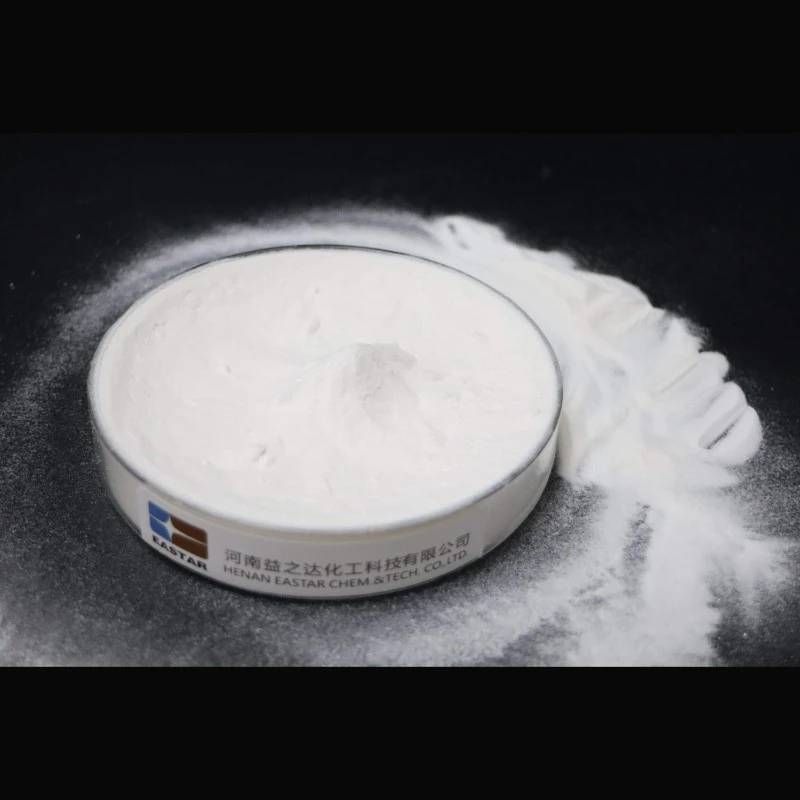
CSL, or Calcium Stearoyl Lactylate, is an anionic emulsifier formed by the esterification of fatty acids (primarily stearic acid) with lactic acid, followed by neutralization with calcium ions. It typically appears as a white or pale yellow powder or flaky solid with a slight caramel odor. Its molecular structure contains both lipophilic fatty acid chains and hydrophilic calcium lactylate groups, but it is overall more lipophilic (with an HLB value of about 5.1). Consequently, it is more soluble in fats and organic solvents but has poor dispersibility in water.
Core Functions:
In food systems, CSL primarily serves three key functions:
- Powerful Dough Conditioner: It can interact strongly and persistently with the gluten proteins (glutenin and gliadin) in flour, promoting the formation of a denser, more elastic, and extensible three-dimensional gluten network. This significantly enhances the dough's gas retention, mechanical tolerance (to mixing and fermentation), and the final baked product's volume.
- Effective Anti-Staling Agent: CSL can form insoluble complexes with amylose, effectively inhibiting the retrogradation (recrystallization) of starch during storage. This delays the increase in hardness and crumbliness of products like bread and cakes, maintaining softness and a fresh taste for an extended period.
- Emulsifier: Despite its lipophilic nature, it can still improve the dispersion and integration of water, fat, and flour components, resulting in a more uniform and fine texture in dough or batter.
Application Areas:
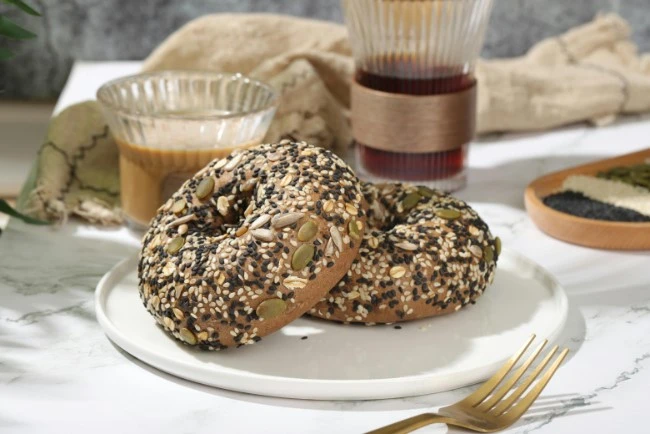
Various types of bread (especially toast and staple bread)
Noodles, pasta, and other flour-based products (improves chewiness and cooking tolerance)
Certain high-fat pastries
Introduction to SSL (Sodium Stearoyl Lactylate)
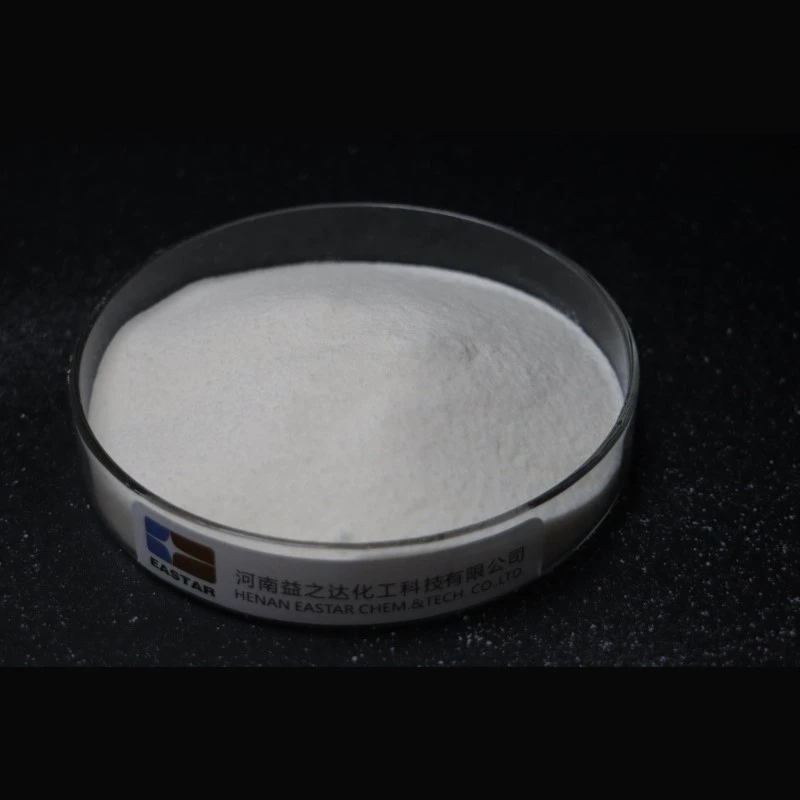
SSL, or Sodium Stearoyl Lactylate, is synthesized via a similar pathway to CSL, but the final neutralizing ion is sodium. Its appearance is also a white or pale yellow powder or brittle solid. The key difference lies in its significantly higher hydrophilicity compared to CSL (HLB value approximately 8.3 to 11.0). Therefore, it disperses more easily in warm water and forms hydrated gels, and its interaction mechanism with proteins and starch is more rapid and gentle.
Core Functions:
SSL also possesses emulsifying and improving functions, but with a different emphasis:
- Excellent Emulsifier and Dispersant: Its high HLB value allows it to very effectively reduce the water-oil interfacial tension, promoting the rapid and uniform mixing of various ingredients (water, fat, sugar, eggs, flour) to form a fine, stable emulsion. This greatly improves the handling properties of dough or batter (smoother, less sticky).
- Gluten Development Promoter:SSL can quickly bind to gluten proteins, effectively promoting gluten formation and development. This is particularly crucial for weaker flours or production using rapid fermentation methods, ensuring the dough acquires sufficient basic strength.
- Softening and Freshness-Preserving Agent:By complexing with starch and protein, SSL can also soften texture and delay staling, but its longevity in anti-retrogradation is generally considered slightly inferior to CSL.
Application Areas:
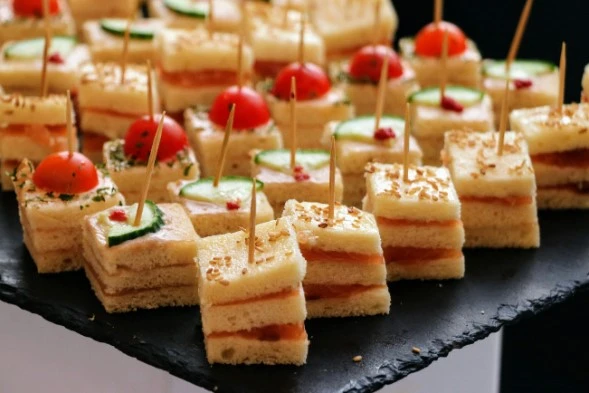
Cakes, sponge cakes, and other baked goods (improves foaming and crumb uniformity)
Bread (especially bread produced by rapid fermentation methods)
Cookies and shortbread
Powdered products like milk powder and coffee creamer (as an instantizing agent)
Margarine, sauces (as an emulsifying stabilizer)
Comprehensive Comparative Analysis
The comparison between CSL and SSL hinges on the difference in Hydrophilic-Lipophilic Balance (HLB), which leads to a series of functional and applicational differentiations and complementarities.
| Comparison Dimension | CSL (Calcium Stearoyl Lactylate) | SSL (Sodium Stearoyl Lactylate) |
|---|---|---|
| Ion Type | Calcium Ion (Ca²⁺) | Sodium Ion (Na⁺) |
| HLB Profile | Low (~5.1), Strongly Lipophilic | High (8.3-11.0), Strongly Hydrophilic |
| Solubility/Dispersibility | Lipophilic, requires pre-mixing with fat | Hydrophilic, easily blended with dry ingredients or hydrated |
| Functional Essence | "The Strengthener": Builds enduring, robust structure. | "The Harmonizer": Achieves perfect ingredient integration. |
| Effect Timeline | Effects are long-lasting, focused on final quality & shelf life. | Effects are immediate, focused on processing & initial texture. |
| Impact on Fermentation | Overuse may slightly inhibit gas production due to overly strong gluten. | Generally leads to more stable, uniform fermentation. |
Synergistic Effects: The Industry Wisdom of 1+1>2
In practical industrial production, CSL and SSL are rarely used alone but are often blended in ratios from 1:1 to 1:2. This combination yields remarkable synergy:
- Uniting Process and Result: SSL works upfront (mixing stage) with its superior emulsifying and softening functions, enabling quick dough formation that is smooth and easy to handle. CSL works downstream (proofing, baking, cooling stages) with its powerful strengthening and anti-staling actions, ensuring optimal product volume and shelf life.
- Perfect Textural Balance: The softness imparted by SSL combines with the elasticity from CSL to create an ideal mouthfeel that is both tender and pleasantly chewy.
- Broad Adaptability: The blended approach adapts to a wider range of raw materials (e.g., flours of different strengths) and processing conditions, enhancing production stability and product consistency.
Decision Guide for Application Selection
| Product Goal & Production Challenge | Primary Recommendation | Mechanism & Expected Outcome |
|---|---|---|
| Maximizing Bread Volume & Ultra-Long Soft Shelf Life | CSL-centric, or CSL/SSL Blend | CSL's powerful gluten strengthening and starch anti-retrogradation provide the foundation for long-lasting freshness. |
| Producing Cakes with Extremely Fine, Uniform Crumb | SSL | SSL's superior emulsifying power ensures complete ingredient integration and a stable, fine air cell structure. |
| Enhancing Chewiness (Al Dente) & Cooking Tolerance of Noodles/Pasta | CSL | CSL's strong interaction with gluten proteins directly translates to greater mechanical strength and resistance to overcooking. |
| Improving Dough Machinability (Stickiness, Poor Sheeting) | SSL | SSL's softening and lubricating effect significantly reduces dough viscosity and improves extensibility for smoother processing. |
| Using Weak Flour or Requiring Rapid Fermentation | SSL-centric, or SSL/CSL Blend | SSL can rapidly and effectively promote gluten development, providing the necessary network support for fast fermentation. |
| General Bread Improvement, Seeking Best Cost-Performance & Overall Quality | 1:1 Blend of CSL & SSL | The industry gold standard, balancing processing friendliness with exceptional final product quality. Has the widest applicability. |
Conclusion
CSL and SSL, as a classic duo in the food additives arena, perfectly illustrate the scientific principle that "subtle chemical differences lead to significant functional divergence." Understanding CSL's role as the "Structure Imparter" and SSL's as the "System Harmonizer" is key for food technologists to apply them precisely. In an era of clean-label trends and rising consumer quality expectations, the scientific use or blending of CSL and SSL is not merely a technical solution to processing challenges but a core strategy for product innovation and quality enhancement. For the vast majority of bakery products, employing a blend of both remains the most reliable path to transform quality ingredients into exceptional finished goods.


