

Abstract
Calcium Stearoyl Lactylate (CSL), as an ionic food emulsifier, holds a unique position in the baking and flour-based products industry. This article provides a detailed analysis of CSL's chemical properties, emulsification mechanisms, application advantages, and differences from other emulsifiers, revealing its irreplaceable role in modern food processing.
Position of CSL in the Food Emulsifier System
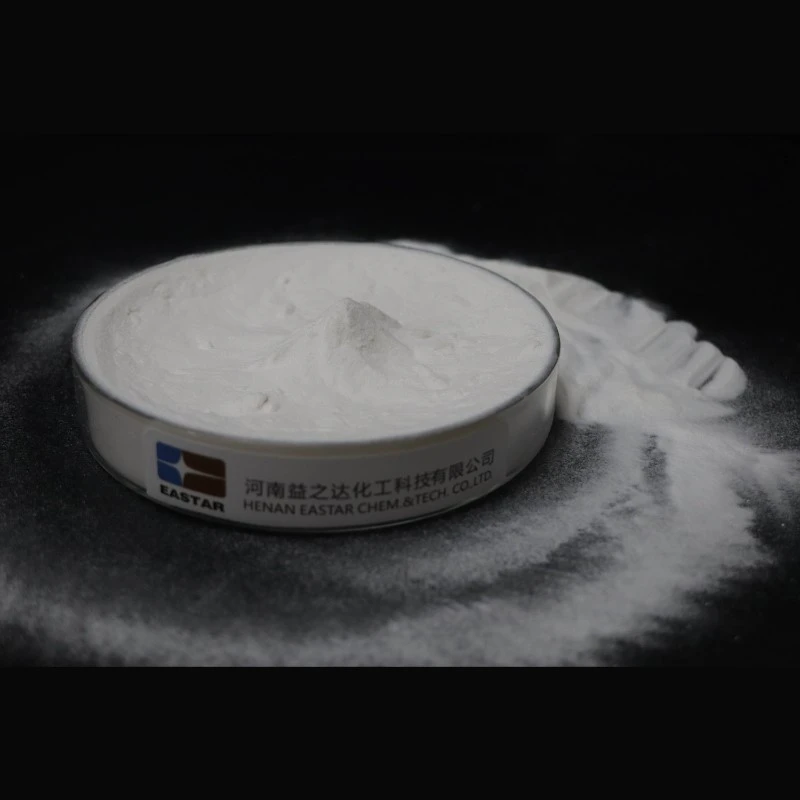
CSL belongs to the anionic emulsifier category, being a compound of lactic acid, stearic acid, and calcium. In food additive classification, it is categorized as a "dough conditioner" and "emulsifier," widely used in baked goods, flour improvement, and processed foods.
Market Position Characteristics:
- Specialized Application Orientation: CSL primarily targets cereal-based foods, especially wheat products
-
Functional Complexity: Combines emulsification, dough strengthening, and preservation functions
-
Prominent Synergistic Effects: Often used in combination with other emulsifiers for enhanced effectiveness
-
Regulatory Friendliness: Approved for use in major global markets (China, USA, EU)
Unique Mechanism of Action of CSL
1. Chemical Structure and Interfacial Properties
CSL molecules contain:
- Hydrophobic stearic acid long chain (C18)
- Hydrophilic lactate group
- Calcium ions providing positive charge
This amphiphilic structure enables it to form stable monomolecular layers at water-oil interfaces, reducing interfacial tension and promoting emulsion formation.
2. Special Interaction with Gluten Proteins
CSL's unique value lies in its selective binding with wheat gluten proteins:
- Charged Binding: Anionic groups bind with cationic sites on gluten proteins
- Hydrophobic Interactions: Stearic acid chains bind with hydrophobic regions of proteins
- Disulfide Bond Regulation: Calcium ions modulate disulfide bond exchange in gluten networks
3. Starch Complex Control
CSL can form helical inclusion complexes with amylose, significantly delaying starch retrogradation and extending food shelf life.
Differential Analysis Between CSL and Other Emulsifiers
| Characteristic Dimension | CSL | GMS | SSL | DATEM |
|---|---|---|---|---|
| Ionic Type | Anionic | Non-ionic | Anionic | Anionic |
| Primary Function | Dough strengthening primary, emulsification secondary | Emulsification primary, preservation secondary | Dough strengthening stronger than CSL | Dough strengthening, especially for whole wheat bread |
| pH Sensitivity | Wide applicable pH range (4-8) | Almost unaffected by pH | Reduced effectiveness in acidic conditions | Stable in acidic conditions |
| Calcium Contribution | Provides calcium nutrition (0.5-1.2%) | None | None | None |
| Starch Interaction | Strong amylose complexing ability | Moderate complexing ability | Similar to but slightly weaker than CSL | Weak |
| Gluten Enhancement | Promotes gluten network formation | Minor effect | Stronger than CSL | One of the strongest |
| Application Cost | Moderate | Low | Slightly higher than CSL | High |
Core Differential Advantages:
- Dual Nutritional Function: Serves as both emulsifier and source of bioavailable calcium
- High Processing Tolerance: Insensitive to mixing time and temperature variations
- Freeze-Thaw Stability: Significantly improves baking properties of frozen dough
- Fat Dispersion Optimization: Maintains good mouthfeel even in low-fat products
- Anti-Staling Effect: Superior to most non-ionic emulsifiers
Typical Application Scenarios and Performance
1.Industrial Bread Production
- Dosage: 0.2-0.5% (based on flour)
- Effects:
Volume increase of 15-25%
Improved crumb structure uniformity
Shelf life extension by 2-3 days
10-15% reduction in yeast usage
2. Noodles and Dumpling Wrappers
- Unique Value: Reduces cooking loss, improves surface smoothness
- Mechanism: Strengthens gluten network, reduces starch leaching
3. Premixes and Improvers
- Synergistic use with vitamin C and enzyme preparations
- Provides "one-stop" dough improvement solutions
Future Development Trends
- Clean Label Demand: Development of naturally sourced lactic and stearic acids
- Function Precision: Customized CSL products for different wheat varieties
- Composite Technologies: Development of CSL nano-emulsion systems
- Health Trends: CSL's advantages over SSL in low-sodium trends
Conclusion
CSL occupies a special position in the food emulsifier field. It is not a universal emulsifier but rather a functionally irreplaceable modifier in grain-based food systems. Its value lies not only in emulsifying capacity but more importantly in selective modification of gluten proteins and inhibition of starch retrogradation. As food processing moves toward refinement and functionalization, CSL's unique combination of properties-ionic characteristics, calcium nutritional contribution, processing stability, and synergistic effects-will continue to secure its position in specialized application areas. Future research should focus on its naturalization, functional precision, and application convenience to meet the evolving needs of the food industry.


