

Introduction
In the field of food preservation, calcium propionate stands out as a safe and efficient anti-mold agent, holding an irreplaceable position, especially in the bakery and dairy industries. It is not a broad-spectrum bactericide but precisely inhibits molds and certain rope-producing bacteria that cause food spoilage. It effectively extends product shelf life without interfering with the fermentation process, perfectly meeting the technical requirements of specific foods.
In-Depth Product Introduction
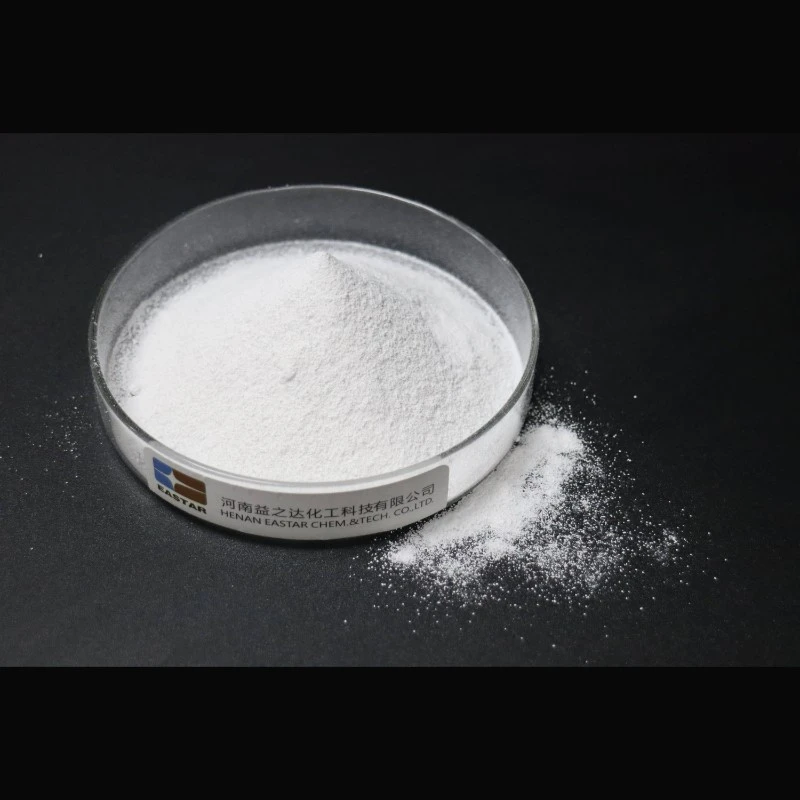
Basic Properties:
Calcium propionate is the calcium salt of propionic acid, appearing as a white crystalline powder or granules, odorless or with a slight odor of propionic acid. It is readily soluble in water, and its aqueous solution is alkaline (pH 7-9). Its preservative action primarily stems from propionic acid molecules dissociated within the food system.
Core Mechanism of Action
The preservative activity of calcium propionate is highly selective:
- Anti-Mold: Propionic acid molecules penetrate the mold cell wall. Dissociation inside the cell lowers the internal pH and inhibits key metabolic enzymes (e.g., malate dehydrogenase), disrupting energy metabolism, thereby effectively inhibiting mold growth and spore formation.
- Anti-Rope Bacteria: It specifically inhibits bacteria like Bacillus subtilis that cause "ropy bread," but has minimal effect on yeast activity.
- pH Dependence: Its preservative efficacy is stronger in acidic to neutral environments because more effective propionic acid molecules dissociate under low pH conditions.
Outstanding Features and Advantages
- Precise and Effective: Strong inhibition against molds and specific bacteria, with no adverse effect on yeast fermentation essential for products like bread and cakes.
- High Safety: Propionic acid is an intermediate in normal human metabolism and is widely approved by global regulations (e.g., China's GB 2760, U.S. FDA GRAS). Its ADI (Acceptable Daily Intake) is very high, ensuring safe use.
- Ease of Use: Good solubility allows for even distribution in systems like dough and emulsions.
- Calcium Source: Can serve as a nutritional fortificant to supplement calcium.
Primary Application Fields
- Bakery Products: The anti-mold agent of choice for bread, cake, mooncakes, fillings, etc., preventing mold and rope, extending shelf life by 1-3 days or more.
- Dairy Products: Used for mold prevention in cheese, yogurt, etc.
- Others: Also used in soy sauce, vinegar, bean products, etc.
Comparative Analysis with Similar Preservatives
To clearly position calcium propionate, we systematically compare it with other common chemical preservatives used in bakery and dairy:
| Dimension | Calcium Propionate | Sodium Propionate | Potassium Sorbate | Sodium Dehydroacetate |
|---|---|---|---|---|
| Antimicrobial Spectrum | Strong anti-mold, anti-rope bacteria, negligible effect on yeast. | Similar to calcium propionate, but slightly weaker anti-mold strength. | Broad-spectrum: Strong vs. mold, yeast, aerobic bacteria; less effective vs. anaerobes. | Broad-spectrum & potent: Strong inhibition against mold, yeast, and bacteria. |
| Flavor Impact | May impart a slight "alkaline" or "soapy" note, especially at higher usage levels. | Can cause more noticeable off-flavors (sodium form is more prone), affecting taste. | Nearly tasteless, minimal impact on product flavor. | May have an astringent taste at high concentrations. |
| Solubility & pH | Soluble in water, alkaline solution. Optimal pH <5.5. | Soluble in water, alkaline solution. Optimal pH <5.5. | Soluble in water, near-neutral solution. Optimal pH <6.0, efficacy drops sharply above pH 6.5. | Soluble in water, neutral solution. Efficacy less affected by pH. |
| Key Advantages | 1. Does not inhibit fermentation, ideal for bread. 2. Exceptionally high safety. 3. Provides calcium nutrition. |
Slightly better solubility than calcium propionate. | 1. Broad-spectrum and effective, wide applicability. 2. Minimal flavor impact. 3. Very low toxicity. |
1. Heat stable, low loss after baking. 2. Broad spectrum and high potency. |
| Key Limitations | Narrower spectrum, mainly anti-mold. May affect flavor. | Similar to calcium propionate, with higher off-flavor risk. May increase sodium intake. | Can inhibit yeast, potentially affecting fermentation. Ineffective in alkaline environments. | Safety controversies (restricted/banned in bread in many countries). Higher cost. |
| Ideal Application | Bread, steamed buns, cheese-fermented products requiring yeast or needing calcium fortification. | Fermented products with specific calcium restrictions (e.g., low-calcium diets). | Beverages, soy sauce, sauces, low-pH pastry fillings, surface treatment-broad-spectrum needs. | High-temperature baked pastries, mooncake fillings, butter (where regulations permit). |
| Regulatory Status | Widely permitted globally. Typical limit in bread: 2.5g/kg (as propionic acid). | Widely permitted globally. Limits same as calcium propionate. | Widely permitted globally, very broad application scope. | Restricted: Permitted in China for cakes, bread, etc. (with limits), but banned in bread in the EU, US, and others. |
Conclusion and Selection Guidelines
Calcium propionate is a typical "scenario expert" preservative. Its core value lies not in breadth but in "precision"-in fermented foods like bread where yeast activity is crucial, it effectively prevents mold without interfering with the core process.
Selection Guide:
Choose Calcium Propionate First: For leavened dough products like bread and steamed buns, it is the primary anti-mold choice. It offers added value if calcium fortification is desired.
Consider Sodium Propionate: When products have strict calcium restrictions, but be cautious of potential flavor impact.
Choose Potassium Sorbate: For non-fermented, acidic foods (e.g., beverages, fillings) requiring broad-spectrum preservation and high flavor fidelity.
Use Sodium Dehydroacetate Cautiously: First confirm its regulatory approval in the target market. Often a backup for high-potency preservation in high-temperature pastries.
In summary, calcium propionate has secured a firm position in the baking industry due to its compatibility with fermentation processes, excellent anti-mold properties, and exceptional safety. Understanding its characteristics and utilizing comparisons can help producers make the most scientific, compliant, and effective preservation decisions.


