

Products Description
In modern industrial baking, emulsifiers are indispensable food additives for enhancing bread quality, extending shelf life, and optimizing processing performance. By influencing dough rheology and the interactions between starch and gluten, they significantly improve bread volume, softness, crumb structure, and freshness retention. This article provides an in-depth analysis of four commonly used emulsifiers: DATEM, SSL, CSL, and PGE, exploring their specific functions and effects in bread improvement.
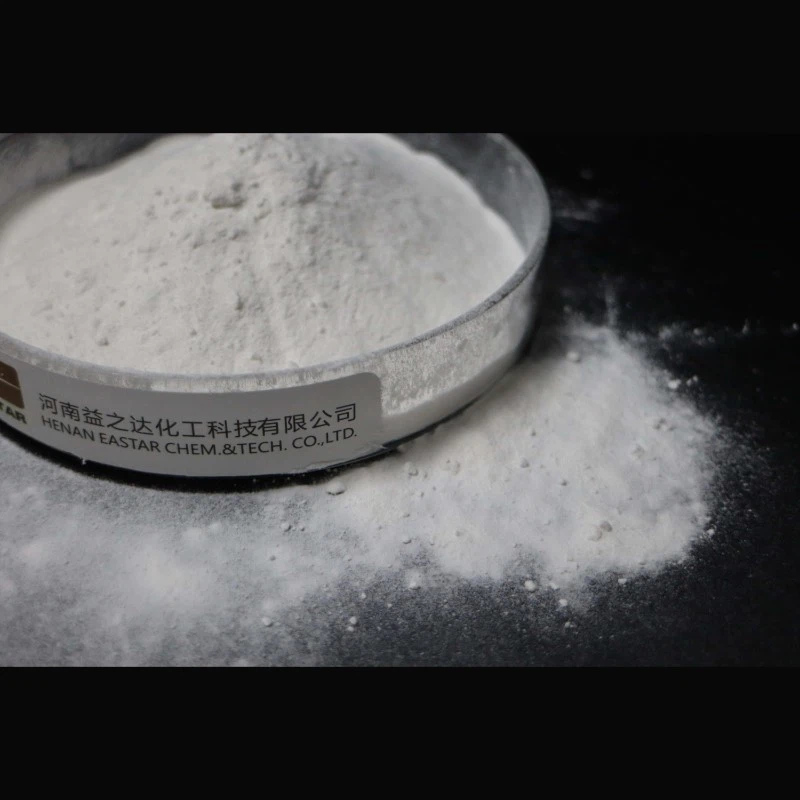
DATEM (Diacetyl Tartaric Acid Esters of Mono- and Diglycerides)
Analysis of Function and Effects:
DATEM is an anionic emulsifier and one of the most widely used dough strengtheners. Its molecular structure possesses strong hydrophilicity and high affinity for binding with gluten proteins.
1.Mechanism of Action: DATEM can interact specifically with gluten proteins (gliadin and glutenin), promoting the formation and stabilization of disulfide bonds, thereby strengthening the gluten network. It makes gluten more elastic, tough, and extensible, forming stronger, more gas-retaining films.
2.Improvement Effects:
- Increased Bread Volume: By stabilizing air cells during fermentation, it significantly improves oven spring, resulting in a more open crumb and larger loaf volume.
- Improved Crumb Structure: Produces a more uniform, finer grain and better texture.
- Enhanced Dough Tolerance: Improves dough stability during mixing, proofing, and baking, reducing collapse caused by mechanical shock or temperature fluctuations.
- Application Scope: Particularly suitable for strong flours or processes requiring long fermentation (e.g., artisan breads), and often used in formulas where the gluten network is challenged, such as whole wheat bread.
SSL (Sodium Stearoyl Lactylate) and CSL (Calcium Stearoyl Lactylate)
Analysis of Function and Effects:
SSL and CSL are ionic emulsifiers, often used in combination. The sodium form (SSL) is more hydrophilic, while the calcium form (CSL) is slightly more lipophilic. Their combination yields a synergistic effect.

1.Mechanism of Action: Their primary functions are as dough softeners and starch complexing agents. Their hydrophilic ends complex with starch molecules (primarily amylose), while their hydrophobic tails orient outward.
2.Improvement Effects:
- Exceptional Softness and Freshness Retention (Anti-staling): This is their most prominent benefit. By complexing with amylose, they effectively inhibit starch retrogradation (recrystallization) during storage, dramatically slowing down the rate at which bread becomes firm and crumbly, maintaining softness for an extended period.
- Moderate Volume Increase: Possess some dough strengthening properties, slightly improving loaf volume.
- Improved Dough Handling: Make dough softer, smoother, and easier to divide and shape.
- Enhanced Dough Strength: When used synergistically with DATEM, they provide more comprehensive quality improvement.
- Application: Core emulsifiers for bread requiring long shelf life and emphasized soft texture, such as sandwich loaves, sweet buns, and ready-to-eat burger buns.
PGE (Polyglycerol Esters of Fatty Acids)

Analysis of Function and Effects:
PGE is a non-ionic emulsifier with good emulsifying/dispersing properties, starch anti-staling performance, and relatively good acid and heat tolerance.
1.Mechanism of Action: With its bulky polyglycerol hydrophilic group, PGE effectively adsorbs onto starch granule surfaces and at the gluten-starch interface, providing steric stabilization. It can also form inclusion complexes with amylose, but its mode of action differs from SSL/CSL.
2.Improvement Effects:
- Significant Freshness and Softness Retention: Excellent anti-staling effect, effectively retaining moisture, preventing starch retrogradation, and maintaining a soft mouthfeel.
- Improved Texture and Mouthfeel: Result in a moister, finer, and more desirable crumb texture.
- Increased Volume and Uniform Crumb: Help create a uniform cell structure and contribute to improved volume.
- Good Synergy with Fats: Effectively emulsify fats in the formula for even distribution, enhancing overall flavor and mouthfeel.
- Versatility and Clean Label Trend: Derived from natural glycerol and fatty acids, PGE is often perceived as a "cleaner label" ingredient and is increasingly used in premium and clean-label products.
Comparative Summary
| Emulsifier | Primary Type | Core Function | Main Improvement Effects | Application Focus |
|---|---|---|---|---|
| DATEM | Anionic | Dough Strengthener | Significantly increases volume, strengthens gluten, improves structure. | High-volume bread, hearth bread, products requiring high process tolerance. |
| SSL/CSL | Ionic | Dough Softener / Starch Complexer | Exceptional anti-staling & freshness, maintains softness, moderately increases volume. | Sandwich loaves, sweet buns, soft bread with long shelf life. |
| PGE | Non-ionic | Multi-functional Emulsifier / Starch Complexer | Excellent freshness & texture improvement, improves mouthfeel, increases volume. | Various breads focusing on texture and freshness, clean-label products. |
In practical baking production, combining emulsifiers is common to achieve optimal overall quality. For example, the "DATEM + SSL/CSL" combination delivers both strong gluten development with increased volume and powerful anti-staling effects, making it a classic combination in industrial bread formulas. PGE can serve as the primary softening agent or be combined with DATEM to provide a gentler or more label-friendly improvement strategy.
Selecting the appropriate emulsifier or combination requires comprehensive consideration of flour characteristics, production process, product profile (volume, texture, shelf life), as well as cost and labeling requirements. The scientific application of these emulsifiers is a fundamental cornerstone of modern baking technology for achieving standardized, high-quality, and commercializable products.


